Pastor & Leader Renewal
You pour your life into others. Let us pour into you!

Personal Coaching
Break through to the next level with personalized life and ministry coaching

Leader Retreats
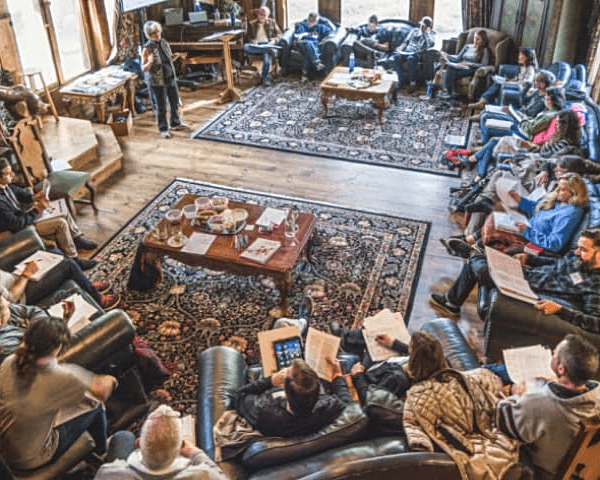
Join a 1-3 year wholeness immersion retreat experience for pastors, leaders, & spouses

Spiritual Direction
Deep and reflective spiritual conversations with a wise and seasoned follower of Christ

Interim Pastoring
For churches who lose their pastor or in the process of calling a new pastor
SOULeader Training & Partner Team

Michael Bischof, D.Min., ACC
Founder, President & Senior Consultant
Darlene Bischof, CSD
Co-Founder, VP of Spiritual Formation & Direction
Jason Phillips, CSD
VP of Missional Formation & City Integration
Jim Grimes, Psy.D.
VP of Emotional Formation & Counseling

Bruce Hopler, D.Min.
VP of Leadership Formation & Organizational Strategy
Paul Kaak, Ph.D.
VP of Educational Initiatives

Anjee Grimes, MA
Director of Family Formation
Gabriel Lowe, Ph.D.
Director of Psychological Research & Consulting Psychologist
Rex Minor, MA
Director of Large & Megachurch Resourcing
Jim Wern, M.Div.
Director of Small & Microchurch Resourcing
Sarah Heath
M.Div., ACC
Director of Women in Leadership & Church Space Renewal
Maher Salhani
Director of Cultural Formation & Diversity, Equity, and Inclusion
Dan Steigerwald
D.Min., PCCDirector of New Church Development
Tim Olson
Director of Youth & Young Adult Formation

Chris Adams, Ph.D., ACC
Strategic Partner for Clergy Research & Flourishing in Ministry
Jan Johnson, D.Min.
Strategic Partner for Spiritual Formation
Brian Plante, ND
Strategic Partner for Physical Formation

Mitch Hopkins, DC
Strategic Partner for Physical Formation
Neil Anderson
M.A., ACC
Strategic Partner for Pastoral Care
Ashley Powell
Senior Event Coordinator
Noelle Bergevin, M.Div.
Intake Consultant

Dan Miller, Ph.D.
Spiritual Director


Connect with SOULeader

Join our email list to receive the latest SOULeader news, events, prayer requests, and special offers!

Your tax deductible donations make a big impact on the spiritual health of pastors, leaders, churches. Thank you!

SOULeader is growing! We're looking for new people & partners who value health and wholeness for God's people and the church.

Like us

Follow us

Email us